Thinking about buying a condo or townhome in Placentia and wondering how the HOA will affect your monthly costs and daily life? You are not alone. Understanding what an HOA does, what the fees cover, and how to review the documents can help you avoid surprises and feel confident on closing day. In this guide, you will learn the essentials of HOAs in Placentia, how to read the paperwork during escrow, and smart budgeting and negotiation tips. Let’s dive in.
How HOAs work in Placentia
Placentia includes a mix of older single-family neighborhoods, planned communities, and many condo and townhome developments. HOAs are most common in attached housing, gated communities, and some planned single-family tracts. Many older detached homes may not have an HOA, so always confirm during your search.
In California, HOAs operate under the Davis-Stirling Common Interest Development Act. This law sets rules for governance, owner rights to association records, and resale disclosures. Fee levels in Placentia vary based on the size and age of the community and the amenities offered.
What your HOA typically covers
Your HOA generally manages common areas and shared obligations so the community runs smoothly. What is covered depends on the community’s CC&Rs, but it often includes:
- Exterior maintenance for shared structures in condos and townhomes, and sometimes in single-family tracts.
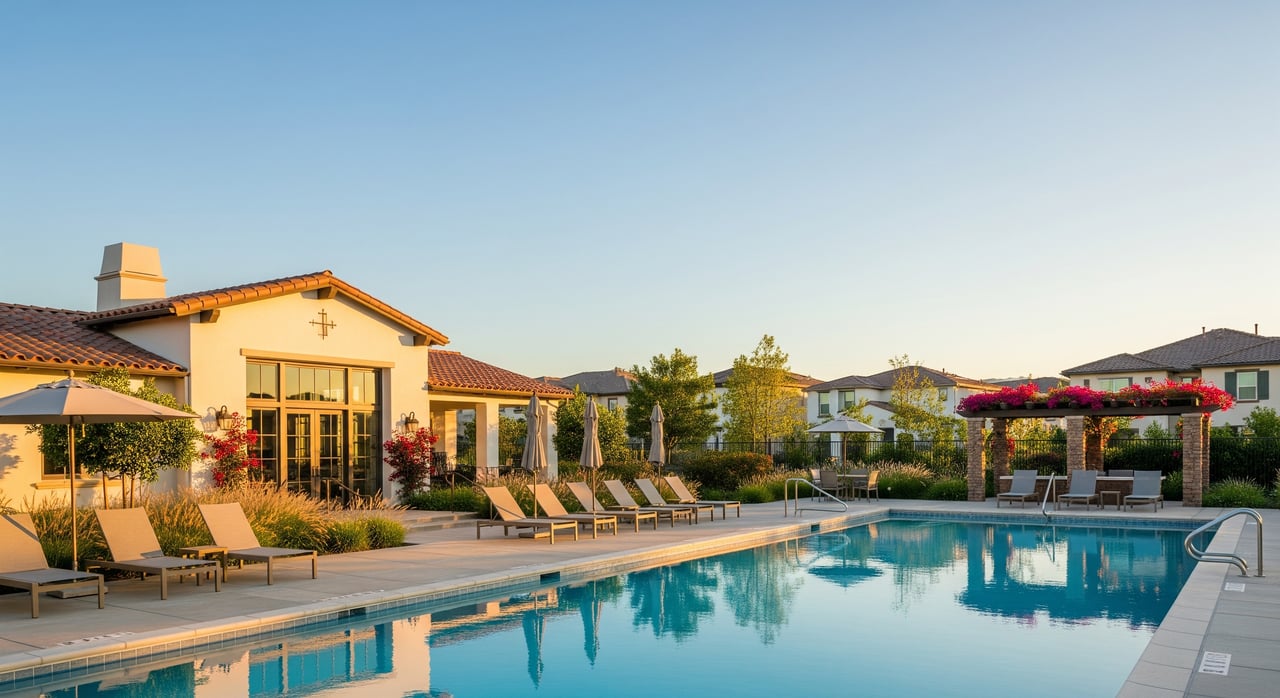
- Common-area landscaping, pools, spas, walkways, lighting, and security at gated entries.
- Contracts for services like trash, pest control, and parking enforcement. Some communities include certain utilities for common areas in dues.
- Insurance for common areas and association property. You still carry your own homeowners policy for the interior and contents where applicable.
- Rule enforcement related to parking, architectural guidelines, noise, and rentals.
Core documents you should review
Ask for the full resale packet and read these items closely:
- CC&Rs: Long-term rules and obligations. Shows owner versus association maintenance, use restrictions, architectural control, and assessment authority.
- Bylaws and Articles of Incorporation: How the association is governed and how the board is elected.
- Rules and Regulations: Day-to-day rules for amenities, parking, trash, and noise.
- Budget and financial statements: Current year budget and recent financials.
- Reserve study and reserve balance: Indicates funding for big capital items like roofs or paving.
- Meeting minutes: Last 6 to 12 months to understand projects, rule changes, or conflicts.
- Insurance declarations: Master policy limits and deductibles, so you can coordinate your own coverage.
- Litigation disclosures: Any lawsuits and potential financial exposure.
- Assessment schedule: Regular dues, due dates, late fees, and collection policy.
- Resale certificate: Association-prepared overview with balances and key disclosures.
Understanding fees and assessments
You will encounter several fee types when you buy into an HOA. Each community is different, but common charges include:
- Regular assessments: Monthly or quarterly dues that fund operations, maintenance, landscaping, common utilities, management, insurance, and reserves.
- Special assessments: One-time charges when the budget or reserves are not enough for major repairs or projects.
- Transfer or administrative fees: Charged at sale for document preparation or processing.
- Capital contributions: A one-time payment at closing in some communities to bolster reserves.
- Late fees, fines, and interest: For late payments or rule violations.
What to spot in the numbers
When you review the budget and financials, look for:
- Reserve balance versus target: Low reserves raise the chance of special assessments.
- Upcoming capital projects: Roofs, painting, paving, or seismic work and how they will be funded.
- Dues trends: Have assessments increased in recent years and why.
- Delinquency rate: A high rate signals collection risk and potential shortfalls.
- Litigation exposure: Lawsuits can mean higher costs or special assessments.
Amenities and rules you may see
Many Placentia communities offer lifestyle amenities that vary by development. Typical offerings include:
- Pools, spas, clubhouses, fitness rooms, and sports courts.
- Landscaped common areas, walking paths, and maintained lighting and fencing.
- Gated entries, security patrols in some communities, and organized trash or recycling.
Common restrictions
Use rules help preserve community standards. Be sure to confirm:
- Rental rules or caps, including short-term rental restrictions.
- Pet policies such as size or number limits.
- Architectural approvals for exterior changes, additions, or landscaping.
- Parking assignments, guest policies, and tow rules.
- Holiday decor and signage guidelines.
Enforcement basics
Associations use a written enforcement process set by their CC&Rs and rules. Common tools include fines, suspension of amenity access, and liens for unpaid assessments. Foreclosure can occur in extreme delinquency cases subject to state law. Meeting minutes can reveal whether rules are enforced consistently.
Your escrow review checklist
Order the HOA resale documents as soon as you open escrow. Then work through this list:
- Read the CC&Rs for use restrictions, architectural control, rental rules, pets, and who maintains what.
- Review the budget, financials, reserve study, and balances for adequacy and upcoming projects.
- Scan the last 6 to 12 months of board minutes for pending issues or rule changes.
- Confirm regular assessments, any special assessments, and whether the seller is current.
- Review the master insurance coverage and deductibles, then get your own policy estimate.
- Check litigation disclosures for risk, cost, and funding plans.
- Verify parking, storage, and amenity rights assigned to your unit and how they transfer.
- If you are financing, confirm how the lender treats HOA dues in underwriting.
Timing and contingencies in California
Management companies typically deliver the resale packet for a fee within a few days to a couple of weeks. Many purchase contracts include a specific HOA document review period, so confirm the exact timeline in your agreement. If documents reveal a large assessment, restrictive rules, or significant litigation, you can negotiate credits, request the seller to pay the assessment, seek amendments, or cancel within your contingency period.
Budgeting smart in Placentia
Include HOA dues in your monthly housing costs and in your mortgage pre-approval conversations. Plan for occasional special assessments, especially in older communities or those with low reserves. If you are buying a condo or townhome, make sure your homeowners policy covers interior improvements, personal property, liability, and potential loss assessments.
Fee ranges vary widely by property type and amenities. Smaller projects with limited amenities may be in the low hundreds per month, while amenity-rich communities can be much higher. Always rely on the association’s current budget and disclosures for accurate numbers.
Pros and cons at a glance
Pros
- Maintained common areas and exterior elements can protect curb appeal and simplify ownership.
- Amenities like pools, clubhouses, and security can enhance lifestyle and resale value.
- Community rules can help preserve neighborhood standards.
Cons
- Ongoing dues and the possibility of special assessments add to costs.
- Use restrictions can limit renovations, rentals, or pet options.
- Poor financial management or board conflicts can impact quality of life and expenses.
Decision guide
Use your review to decide your path:
- Proceed if the rules, finances, and amenities fit your goals and budget.
- Negotiate credits, request seller-paid assessments, or seek repairs if documents show near-term costs.
- Walk away if restrictions or financial risks conflict with your intended use, subject to your contract contingency terms.
If you want a clear, local perspective on specific Placentia communities, CC&Rs, and management-company practices, we are here to help. Our team can help you interpret reserve studies and minutes, coordinate insurance and escrow items, and negotiate smartly based on what the documents reveal. Reach out to BK Platinum Properties for community-specific guidance and a smooth purchase experience.
FAQs
What is an HOA in California?
- A homeowners association governs a common-interest community under the Davis-Stirling Act, collects dues, maintains common areas, and enforces recorded rules.
How much are HOA fees in Placentia?
- Fees vary widely by property type and amenities, from the low hundreds in smaller projects to much higher in amenity-rich communities, so confirm with the current budget.
What does HOA insurance cover versus my policy?
- The master policy covers common areas and association property, while owners need an HO-6 or HO-3 policy for interiors, improvements, personal property, and liability.
Can I rent out my Placentia condo or townhome?
- It depends on the CC&Rs and rules, since some HOAs limit short-term rentals or cap the number of rental units; verify before you buy if renting is part of your plan.
What if a special assessment is announced during escrow?
- Review the disclosures to confirm amount and timing, then negotiate credits or seller payment, or cancel within your HOA review contingency per your contract.
Where can I get HOA documents in Orange County?
- The seller or agent orders a resale packet from the HOA or management company, and recorded CC&Rs are available from the County Recorder; your agent can help.
How long does HOA document review take in escrow?
- Delivery often takes a few days to a couple of weeks, and your contract sets the review period, so order early and start reading as soon as you receive the packet.