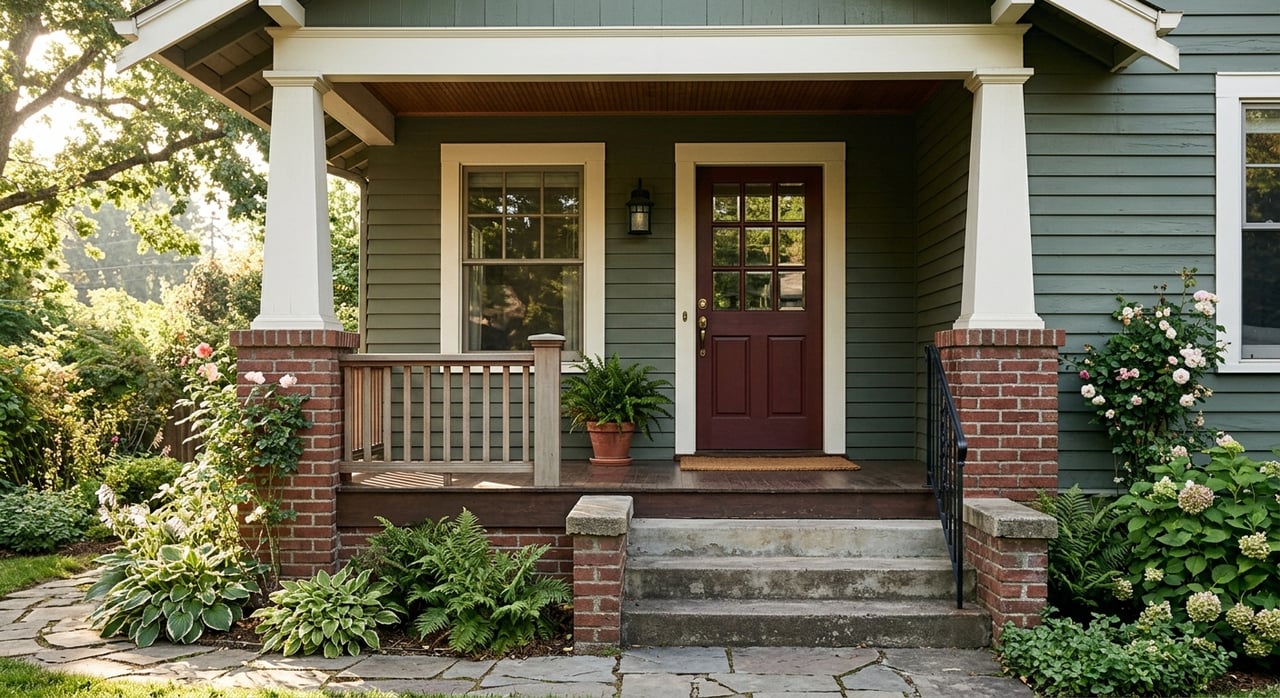
Thinking about buying a historic home in Orange? It can be an exciting move, but it also comes with a different set of questions than buying a newer property. You may be balancing charm, long-term value, renovation plans, and city preservation rules all at once. This guide will help you understand what to look for, what to inspect, and what to budget for so you can move forward with more confidence. Let’s dive in.
Why Orange Historic Homes Stand Out
Orange has one of the most notable historic-home settings in California. According to the City of Orange, Old Towne Orange contains the largest Nationally Registered Historic District in California and is centered around Plaza Park, a community landmark that has served as a gathering place for more than a century.
Old Towne Orange includes three overlapping historic districts: the Plaza Historic District, the local Old Towne Historic District, and the Old Towne Orange Historic District. The city notes that many of the earliest buildings date to the 1880s, and the district’s period of significance runs from 1880 to 1940. Orange’s historic housing stock also includes the locally designated Eichler tracts, which were added as historic districts in 2018, giving buyers access to both prewar and mid-century homes in the city.
That means a "historic home in Orange" can cover more than one architectural era. Before you write an offer, it helps to know exactly where the property sits and whether it falls inside a historic district or is considered a contributing historic property.
Confirm the Property’s Historic Status
One of the first things you should ask is whether the home is inside Old Towne Orange, the Plaza Historic District, or one of the Eichler tracts. That answer can shape what changes you can make later, especially for exterior work.
The City of Orange preservation guidance makes clear that exterior changes in Old Towne must comply with Historic Preservation Design Standards. If the home is a contributing property, the city will generally expect a repair-first and compatibility-focused approach rather than simple modern replacement.
It is also smart to look beyond the main house. The city notes that older carriage houses, garages, and sheds may also be character-defining if they date to the property’s period of significance and still retain substantial original features.
Know Which Projects Trigger Review
A common mistake buyers make is assuming they can update a historic home the same way they would a standard resale property. In Orange, many exterior improvements require some level of review.
The city says many smaller projects can go through Minor Design Review. These can include window or door repair, re-roofing, solar panels, fences and walls, hardscape, siding repair, removal of non-historic features, small patio covers, and mechanical equipment.
More substantial work may go to the Design Review Committee. That typically includes additions, roofline alterations, demolition, relocation, and new structures larger than 120 square feet.
Even projects that seem simple can still be regulated. The city notes that some work, including certain landscaping projects, may be exempt from a formal review process but still must conform to design standards. The same standards also affect visible streetscape elements, including rules that prohibit artificial turf in front and street-visible side yards, along with vinyl, chain-link, and plastic fences.
Inspect Water, Roof, and Drainage First
Older homes often show their age through moisture issues before anything else. The National Park Service notes that historic houses can admit rain through cracks around windows and doors, and clogged gutters can overflow onto historic materials.
When you inspect a historic home in Orange, pay close attention to:
- Roof covering condition
- Flashing details
- Gutters and downspouts
- Drainage away from the structure
- Signs of staining, rot, or previous water damage
Water intrusion can turn a manageable repair into a larger preservation project. Catching these issues early can help you make a cleaner budget decision during escrow.
Look Closely at Windows, Doors, and Wood Details
Original windows and doors are often a big part of what gives a historic Orange home its appeal. They are also features the city specifically treats as character-defining.
According to the city’s preservation standards, windows and doors should generally be repaired and restored when possible, and vinyl windows are prohibited in the Historic District. The National Park Service also supports repair over replacement when a feature is still repairable.
For you as a buyer, that means cosmetic wear is not always a reason to panic, but it is a reason to inspect carefully. Look for wood deterioration, drafts, damaged glazing, and signs of deferred maintenance. A house with mostly intact original features may offer stronger historic character, but it may also require more specialized repair work.
Check Foundation and Seismic Needs
Historic charm does not remove California risk factors. Older homes may have foundation systems or chimneys that need added attention in an earthquake-prone region.
The California Earthquake Authority says older houses with raised continuous perimeter foundations can shift off their foundations in earthquakes, while post-and-pier homes can shift or collapse. Older chimneys can also crack and fall away. The agency advises owners of older houses built before 2000 to consider a seismic retrofit.
If you are buying an older Orange home, ask inspectors and qualified specialists about:
- Foundation type
- Bolting or bracing status
- Floor framing condition
- Chimney stability
- Potential retrofit recommendations
These items may not be as visible as paint or flooring, but they can have a major effect on your total ownership cost.
Budget for Lead, Asbestos, and Termites
Historic homes can also bring environmental and pest-related costs that newer buyers may not expect. The EPA says older homes are more likely to contain lead-based paint, including some lead paint in 87% of homes built before 1940 and 24% of homes built between 1960 and 1978.
The EPA also notes that asbestos in older buildings is mainly a risk when disturbed, not when left intact. On the pest side, UC IPM reports that drywood termites are most prevalent in Southern California and subterranean termites are common statewide.
Before closing, you should consider whether the property needs:
- Lead-based paint evaluation
- Asbestos review if materials may be disturbed
- A termite inspection
- Repair estimates for any active issues
These are practical costs, not rare surprises, especially in prewar homes.
Understand Lead Disclosure Rules
If the home was built before 1978, federal lead disclosure rules may apply. The EPA’s real estate disclosure guidance says sellers and agents must disclose known lead information and provide the EPA pamphlet before contract signing for most pre-1978 housing.
Buyers are also entitled to a 10-day inspection period for lead-based paint risk assessment or inspection unless that right is waived. If you are considering an older property, make sure you understand what disclosures were provided and whether you want to use that inspection window.
Plan for Repair-First Renovation Costs
Historic-home budgets often work differently than standard renovation budgets. You are not always pricing out the cheapest replacement option. In many cases, you are pricing out the most compatible repair.
The National Park Service guidance on substitute materials says deteriorated historic features should be repaired rather than replaced when feasible, and any substitute materials should be evaluated for visual and physical compatibility. Poorly matched materials can damage historic fabric and create problems over time.
That usually means you should separate your budget into at least two buckets:
- Preservation-sensitive repairs like wood window restoration, exterior material repairs, or historically compatible roofing details.
- Safety and compliance work like seismic retrofit, termite treatment, and lead or asbestos-related testing or abatement.
This kind of budgeting helps you avoid spending your renovation dollars on cosmetic updates first, only to discover bigger structural or compliance costs later.
Think Carefully About Energy Upgrades
You can still improve efficiency in a historic home, but the strategy may look different from a typical remodel. The National Park Service notes that historic buildings often already include passive design advantages such as operable windows, natural light, wide eaves, or heavy masonry walls.
That same guidance says upgrades often focus on reducing air leakage around windows and doors and adding insulation in attics and walls. The California Office of Historic Preservation also notes that qualified historic buildings are exempt from state energy-efficiency standards in limited cases, and energy savings alone is not considered a reason to replace an original window.
For buyers in Orange, this matters because the best upgrade path may be more targeted and preservation-friendly than a full replacement plan. Solar may also be possible, but the city lists solar panels as a common Minor Design Review item, so review may still be required.
Ask About the Mills Act
If you are buying a qualified historic property, you may hear about the Mills Act. The City of Orange Mills Act page says the program can provide a potential property-tax reduction for qualifying historic properties, including contributing properties in a historic district and properties listed in or eligible for the National or California Register.
There are a few important details to know. The city says Mills Act contracts are recorded against the property and transfer to future owners, and more than 200 Orange properties have received the benefit. However, the current city page also says new applications are not being accepted while the program is under review.
So if tax savings are part of your plan, do not assume a future application will be available. Instead, find out whether the property already has a recorded contract and how that might affect ownership moving forward.
How to Buy With Confidence
Buying a historic home in Orange can be deeply rewarding if you go in with the right expectations. The architecture, original details, and sense of place can be hard to match in newer housing, but the inspection process, city review standards, and repair budgeting all deserve extra care.
A strong buying plan usually includes confirming the property’s historic status, reviewing likely project approvals, prioritizing water and structural inspections, and building a realistic budget for preservation-friendly work. When you understand those pieces upfront, you are far more likely to choose a home that fits both your lifestyle and your long-term plans.
If you are considering a historic home in Orange and want local guidance through the buying process, connect with BK Platinum Properties. You will get relationship-driven support, experienced local insight, and a smoother path from search to closing.
FAQs
What makes a home historic in Orange?
- In Orange, a home may be within Old Towne Orange, the Plaza Historic District, the Old Towne Historic District, the Old Towne Orange Historic District, or one of the locally designated Eichler tracts, and its status may affect future exterior changes.
Which exterior projects usually need review for a historic Orange home?
- In Old Towne, many exterior changes require review, with smaller projects often handled through Minor Design Review and larger changes such as additions, demolition, relocation, roofline alterations, or new structures over 120 square feet going to the Design Review Committee.
What should buyers inspect first in an older Orange house?
- Buyers should focus early on roof condition, flashing, drainage, signs of water intrusion, windows, doors, exterior wood, foundation type, chimney condition, and any termite or hazardous-material concerns.
Do original windows have to stay in an Orange historic district?
- The city’s standards favor repair and restoration of original windows and prohibit vinyl windows in the Historic District, so replacement options may be limited.
Are there tax incentives for buying a historic property in Orange?
- The Mills Act may provide a property-tax reduction for qualified historic properties, and recorded contracts transfer to future owners, but the city currently says new applications are not being accepted while the program is under review.
Do lead disclosure rules apply when buying an older home in Orange?
- For most pre-1978 homes, federal law requires sellers and agents to disclose known lead information, provide the EPA pamphlet before contract signing, and give buyers a 10-day inspection period unless that right is waived.